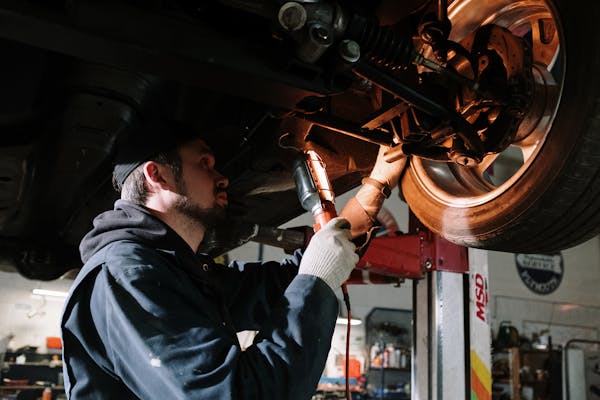
In the not-so-distant past, cars and trucks were makers you could understand just by standing out the hood. Mechanical systems ruled the day, and fixing issues often implied transforming a wrench or replacing a physical element. Yet a new age is below-- one where cars and trucks are ending up being a lot more like computers on wheels. Software-defined automobiles are changing how we drive, how we identify problems, and most notably, just how we keep them.
From Hardware to Software: What's Really Changing?
The term "software-defined cars and truck" might seem advanced, but chances are you've already seen one at work. These lorries depend heavily on integrated software systems to take care of everything from amusement to guiding. Rather than isolated digital control units handling jobs separately, software-defined cars and trucks use systematized calculating to handle the car holistically. That shift brings massive comfort, yet also brand-new responsibilities for owners and specialists.
Unlike typical lorries, where wear and tear is simple to detect and diagnose, software-defined cars and trucks often store performance data, error codes, and system wellness reports deep within interior digital systems. This implies diagnostics now need specific tools and software proficiency. An auto mechanic can't count only on sound, odor, or vibration-- they also require to check out the data.
Regular Maintenance Is No Longer Just Routine
Traditional upkeep, like tire rotations and liquid replacements, continues to be vital, but the means those demands are identified and dealt with has actually moved. In software-defined vehicles, even standard reminders-- such as when it's time for an oil change in Longmont chauffeurs can rely on-- are created by formulas examining driving routines, mileage, and system performance. It's no more around hitting an established gas mileage. It's concerning what the automobile recognizes about you.
This modification isn't simply cosmetic. As an example, tire pressure isn't inspected by eye-- it's checked regularly by sensors that notify you only when something is genuinely incorrect. That's hassle-free, yet it additionally suggests you're even more reliant on the auto's software functioning properly to maintain you risk-free and informed.
Diagnosing Problems in a Digital World
In the period of software-defined automobiles, diagnosis has actually handled a whole brand-new meaning. Gone are the days of simply checking belts or filters. Currently, when a warning light begins, it might indicate a software application pest, a stopped working upgrade, and even a damaged sensor reading-- problems that do not constantly need components, however instead patches.
This change means that repairing cars progressively relies on downloading the most up to date software, comprehending version compatibility, and potentially even teaming up with designers remotely. It's a far cry from switching spark plugs in your garage. Technicians are becoming component professional, component developer.
Updates Over the Air-- and Under the Radar
Among one of the most revolutionary changes brought by software-defined vehicles is the principle of over-the-air updates. These updates can tweak engine performance, add safety and security features, or deal with bugs, much like a smart device. What once needed a trip to a store currently occurs calmly while your automobile beings in the driveway.
But this comfort has compromises. Proprietors should remain sharp to update notices, equally as they would certainly for a phone or computer system. Neglecting them can bring about problems later on, particularly when efficiency, safety, or connectivity is at risk.
Still, this kind of aggressive maintenance represents an interesting progression. Think of renovations that roll out immediately, maintaining your cars and truck safer and smarter without a wrench ever being lifted.
The Technician's Role Is Evolving Fast
With automobiles coming to be extra electronic, the work of the technician is evolving equally as rapidly. Today's mechanic isn't just a person that knows engines throughout-- they also recognize code, computer systems, and software program logic. They have to be comfortable identifying both physical and virtual issues.
This advancement is wonderful news for motorists because it suggests a lot more specific repairs and fewer experimental solutions. If your placement really feels off, an expert can now use both physical calibration tools and digital diagnostics to ensure your Longmont wheel alignment is spot-on, possibly catching very early indication that would've been missed out on in the past.
What Breakdowns Look Like in a Software-First World
Also the concept of an auto failure is changing. Yes, tires still impact and batteries pass away-- however in most cases, the auto can detect a failing before it happens. A car might advise you that your generator is deteriorating, providing you time to schedule solution rather than ending up stranded on the side of the freeway.
That said, no system is ideal. Cars and trucks still experience problems that require typical help. As an example, if your car loses power in the middle of a snowy evening or your software application upgrade goes awry, having accessibility to trustworthy Longmont towing is still essential. Regardless of how advanced cars and trucks end up being, some issues will certainly always need a human touch-- and a tow truck.
Possession Responsibility in a Digital Age
With great tech comes fantastic obligation. Software-defined cars supply effective new capacities, but they likewise require that owners remain informed. Routine system checks, upgrade installations, and digital diagnostics are all part of maintaining your automobile in leading form.
That implies making upkeep a consistent routine. It additionally implies partnering with service experts that recognize the subtleties of both machinery and technology. You wouldn't disregard a protection upgrade on your phone-- your vehicle is find out more entitled to the same degree of focus.
The Future of Car Care Is Here
Software-defined vehicles are here to remain. They use extra safety and security, much better performance, and smarter diagnostics-- but they additionally elevate the bar for upkeep. Whether it's syncing up your most recent system updates, inspecting sensor responses, or scheduling your following oil change in Longmont, vehicle drivers count on it, and it's essential to recognize the digital side of your vehicle.
Upkeep may no longer focus on a greasy toolbox, however the concepts stay the very same: understanding, uniformity, and expert support. The very best point vehicle drivers can do in this new era is stay notified, remain interested, and collaborate with pros that understand the hybrid world of hardware and software.
To stay ahead of the curve and keep your automobile running efficiently, make sure to inspect back right here for even more insights into the ever-changing world of car care.